
The B2B Trust Gap: How AI Is Reshaping Buyer Trust and GTM
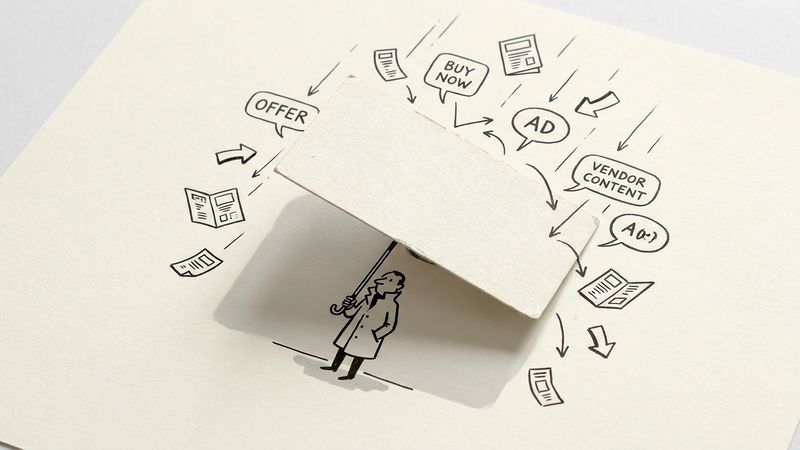
Only 11% of senior B2B buyers consider vendor-authored marketing materials reliable for early-stage research. Let that sink in for a moment. Nearly nine out of ten decision-makers have essentially tuned out the content we spend millions creating.
If marketing is like dating, we've been showing up to every first date with a PowerPoint deck about ourselves. No wonder buyers are swiping left.
New research from Lomit Patel and Splendid Engines, surveying 400 senior US B2B decision-makers, confirms what many of us have suspected: the traditional vendor-controlled narrative is losing its grip. Buyers now validate vendors across peers, communities, LinkedIn, independent research, and increasingly, AI tools before they ever speak to sales.
The funnel isn't broken. It's been replaced by something messier, faster, and largely outside our control.
Peers Beat Polished Campaigns
Here's the thing about trust in 2026: you can't manufacture it with better creative. Buyers rely on peer recommendations, industry experts, practitioner insights, and independent validation. The glossy case study you spent three months producing? It's competing against a Slack message from someone who actually used your product.
This isn't a marketing failure. It's a market evolution. Trust is no longer built through campaigns. It's earned through credibility, community, and demonstrated expertise. The companies winning right now aren't the ones with the biggest ad budgets. They're the ones whose customers can't stop talking about them.
BridgeTower Media reports that 91% of buyers don't trust marketing today. That's not a gap. That's a canyon. And AI hasn't just widened it; AI has fundamentally changed the terrain.
The AI Research Revolution
Buyers are increasingly using LLMs like ChatGPT, Gemini, and Perplexity not just to research vendors, but to synthesize comparisons, interpret reviews, and form early-stage purchase opinions before ever engaging sales. TrustRadius found that 72% of buyers now encounter Google's AI Overviews in search, and the direct usage of LLMs for buying research is climbing fast.
AI is compressing the consideration phase. Many buyers now arrive at vendor conversations with pre-formed opinions before ever entering your funnel. They've already asked ChatGPT to compare you against three competitors. They've already seen what Perplexity says about your implementation challenges. They've already formed a shortlist without visiting your website or filling out a single form.
This changes the role of marketing entirely. We're no longer the primary narrators of our own story. We're one voice among many, and increasingly, we're being summarized by algorithms that don't care about our messaging frameworks.
Answer Engine Optimization Is the New SEO
If you're still optimizing primarily for traditional search, you're playing last year's game. Answer Engine Optimization (AEO) is becoming as important as SEO in modern GTM. The question isn't just "Will Google rank my content?" It's "Will AI tools cite my brand when buyers ask about solutions in my category?"
Forrester data shows nearly 95% of B2B buyers expected to use genAI to support their decision and purchase process this year. As of mid-2025, almost two-thirds were already using GenAI tools as much as, or more than, traditional search. That number has only grown.
The companies that win will optimize for discoverability, authority, and AI citation. That means structured data, earned media, third-party validation, and content that AI systems recognize as credible. Your thought leadership needs to be quotable by machines, not just readable by humans.
The Human Paradox
Here's where it gets interesting. Gartner research released this week shows that while 70% of B2B buyers prefer a digital, self-service buying experience, and nearly half use generative AI tools to research vendors, more than half say they've gotten misleading information from AI tools. And 69% rely on sales reps to validate what they found.
Buyers want AI speed, but they still turn to humans for confidence and validation.
This is the paradox we're navigating. AI handles research, summarizes information, and quickly surfaces signals. But buyers still want human guidance when purchases get complex. They want someone who can explain trade-offs, understand company dynamics, and help build internal consensus.
As Sandy from The Simons Group puts it, "AI can accelerate production, but it can't create lived experience." Human-first content, grounded in experience, a clear point of view, and informed judgment, builds trust faster. It reduces the distance between interest and decision.
What Actually Works Now
The top motivator for vendor consideration in the Splendid Engines research wasn't pricing. It was the feeling that a vendor truly understands the buyer's specific challenges. In crowded markets, differentiation increasingly comes from relevance and empathy, not feature lists.
If your messaging sounds interchangeable, buyers tune out immediately.
Meanwhile, 37% of respondents identified LinkedIn as the digital channel where they're most likely to discover new vendors. The buyer journey is happening in public. Your executives' thought leadership, your employees' authentic voices, your customers' unsolicited praise: these carry more weight than your demand gen campaigns.
The playbook for 2026 looks different:
Invest in peer validation. Customer stories, third-party reviews, analyst reports, and detailed case studies all become more valuable when buyers are fact-checking AI summaries. TrustRadius notes that 90% of buyers click through to sources featured in AI overviews. Be the source they click.
Rethink sales enablement. Buyers don't need another PDF packed with specs they can already find online. What they need is help understanding business impact, internal tradeoffs, and risk. Those conversations lean heavily on human experience and judgment.
Optimize for AI discoverability. Structured data, consistent brand signals across platforms, earned media coverage, and content that AI systems can parse and cite. This isn't replacing SEO. It's adding a new layer.
Lead with empathy, not features. Your messaging should make buyers feel understood before it makes them feel informed.
The Real Opportunity
Every CMO loves to talk ROI, but let's not forget there's also "Return on Imagination." The trust gap isn't just a problem to solve. It's an opportunity to differentiate.
When everyone's content sounds AI-generated, human expertise becomes the premium signal. When buyers are drowning in information, genuine understanding becomes the lifeline. When trust is scarce, the brands that earn it will command attention, loyalty, and pricing power.
The math here isn't complicated. If 91% of buyers don't trust marketing, the 9% who do trust yours will remember you. If AI is compressing the consideration phase, the brands that show up in AI citations will make the shortlist. If peers matter more than vendors, your customer community becomes your most valuable marketing asset.
Marketing is still a marathon with weekly sprints. But the course has changed. The brands that adapt, that earn trust through credibility rather than claiming it through campaigns, will find the finish line hasn't moved. Just the path to get there.


