

The New Rules of Engagement
Here’s the thing about pay-per-click advertising in 2026—it’s a bit like ordering coffee in a foreign country. You think you know what you’re asking for, but the menu has 47 options, the barista is speaking a language you half-understand, and somehow you end up paying three times what you expected for something that may or may not be what you wanted.
Except in PPC, that “coffee” is your marketing budget, and the stakes are considerably higher than a disappointing latte.
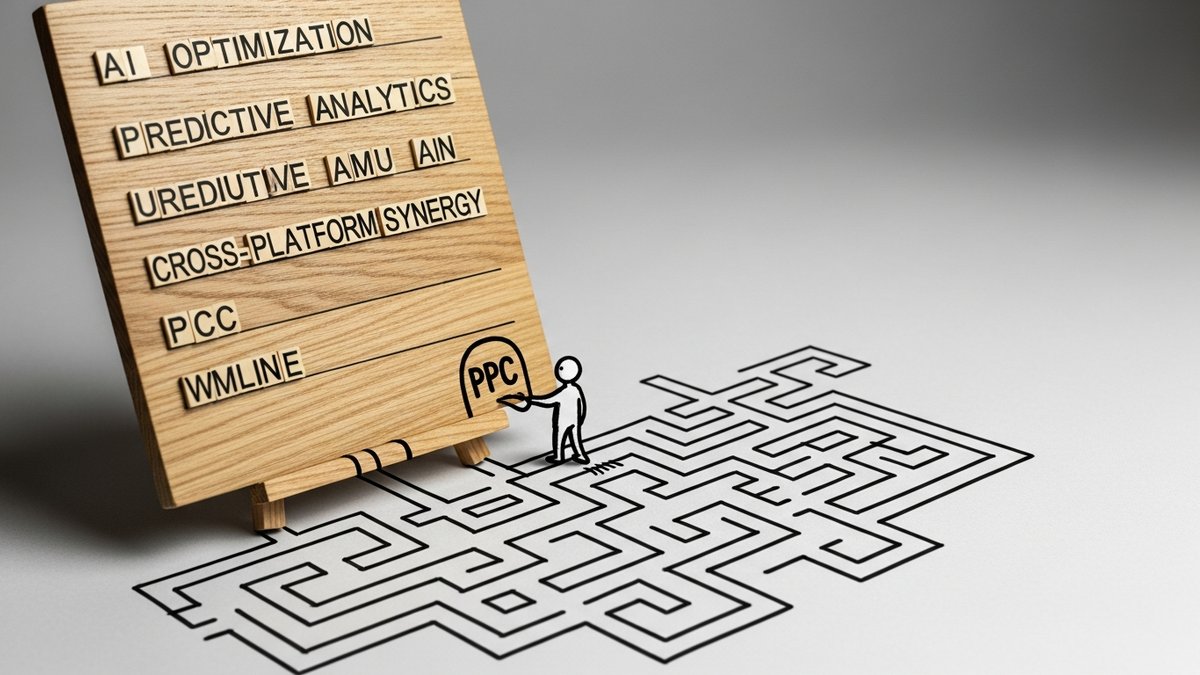
I’ve spent the better part of two decades watching the paid media landscape evolve from “let’s buy some banner ads” to the AI-driven, machine-learning-optimized, predictive-analytics-powered beast it is today. And if there’s one thing I’ve learned, it’s this: the difference between a good PPC partner and a great one isn’t just about who can bid smarter—it’s about who can think strategically while the algorithms do the heavy lifting.
Let’s not get seduced by shiny object syndrome here. Yes, AI automation and predictive analytics have transformed PPC into something our 2015 selves wouldn’t recognize. But the fundamentals haven’t changed: you need to reach the right people, with the right message, at the right moment. The tools are just sharper now.
What has changed is the complexity of execution. According to industry analysis, the best PPC companies in 2026 are leveraging everything from Google Ads to social platforms like Facebook, Instagram, and YouTube—because your audience isn’t sitting in one place waiting for your ad to find them. They’re everywhere, and your paid strategy needs to be too.
This is where most B2B marketers hit a wall. We’re not selling impulse purchases. We’re selling considered decisions, long sales cycles, and solutions that require multiple stakeholders to say “yes.” That demands a PPC partner who understands that a click is just the beginning of the conversation, not the end.
What Separates the Contenders from the Pretenders
I’ve sat through more agency pitches than I care to count, and I can usually tell within the first ten minutes whether a PPC shop is going to deliver or disappoint. Here’s what the top performers have in common:
They obsess over outcomes, not outputs. Anyone can generate clicks. The question is whether those clicks turn into pipeline. Clutch’s analysis of top PPC agencies emphasizes looking for documented success stories with measurable results—increased conversions, reduced cost-per-acquisition, improved ROAS. If an agency can’t show you the receipts, keep walking.
They speak fluent platform. The best agencies have certified professionals across major advertising platforms. Semrush’s global agency rankings highlight firms that demonstrate expertise across Google Ads, Microsoft Advertising, LinkedIn Ads, and beyond. For B2B specifically, LinkedIn proficiency isn’t optional—it’s essential.
They’re transparent about the math. I’ve seen too many marketing leaders get burned by agencies that treat reporting like a magic trick—lots of impressive-looking numbers that somehow never connect to business impact. The right partner provides clear, comprehensive reporting with actionable insights, not vanity metrics dressed up in fancy dashboards.
The Global Talent Pool
One of the more interesting developments I’ve noticed is the geographic diversification of PPC expertise. Canadian agencies have emerged as serious contenders, particularly for companies seeking bilingual campaign support or North American market expertise without Silicon Valley price tags. Meanwhile, Gartner’s reviews of global digital marketing agencies show that enterprise-level players like Accenture Song and AKQA are bundling PPC capabilities into broader digital transformation offerings.
For B2B marketers, this means more options—but also more homework. A boutique agency in Toronto might deliver better results for your SaaS company than a global holding company with offices in 40 countries. Or vice versa. The key is matching your specific needs to their specific strengths.
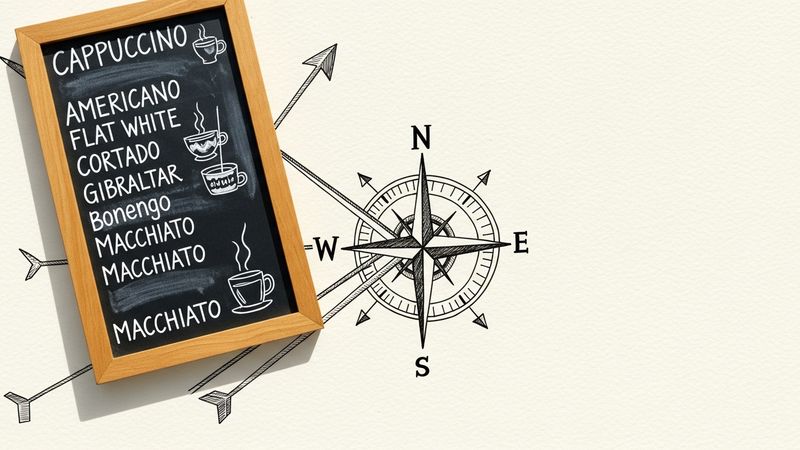
The more options available, the harder simple decisions become.
The AI Factor (Because We Have to Talk About It)
Look, I’d be doing you a disservice if I didn’t address the elephant in the room. AI isn’t just changing how PPC campaigns are optimized—it’s changing where your ads need to appear. Some agencies are now reporting massive traffic increases from AI-driven sources, including visibility in large language models like ChatGPT and Gemini.
This is genuinely new territory. We’re not just bidding on keywords anymore; we’re optimizing for AI search results. If your current PPC partner isn’t talking about this, they’re already behind.
But here’s my word of caution: don’t let AI hype distract you from fundamentals. Machine learning can optimize bids at superhuman speed, but it can’t tell you whether your value proposition resonates with your target buyer. That still requires human insight, strategic thinking, and—dare I say it—creativity.
Making the Choice
So how do you actually pick a PPC partner from the overwhelming array of options? Some agencies now offer performance guarantees, which is a bold move in an industry where results depend on countless variables. Others differentiate through specialization—B2B focus, SaaS expertise, or specific platform mastery.
My advice? Start with your goals, not their capabilities. What does success look like for your business in 12 months? Then find the partner whose track record aligns with that vision.
And please, for the love of all things marketing, don’t choose based on who has the slickest pitch deck. I’ve seen agencies with beautiful presentations deliver mediocre results, and scrappy shops with ugly slides absolutely crush it.
The Bottom Line
Marketing is like dating—you don’t propose on the first ad impression. The same applies to choosing a PPC partner. Take your time, ask hard questions, and demand proof of performance.
The global PPC landscape in 2026 offers more sophisticated tools and more specialized expertise than ever before. But at the end of the day, paid media is still about connecting your solution to someone’s problem at the moment they’re ready to act.
Find a partner who understands that, and you’re halfway to winning.
Now if you’ll excuse me, I have some dashboards to obsess over. These campaigns aren’t going to optimize themselves. Well, actually, they kind of are now—but someone still needs to make sure the AI is pointed in the right direction.