

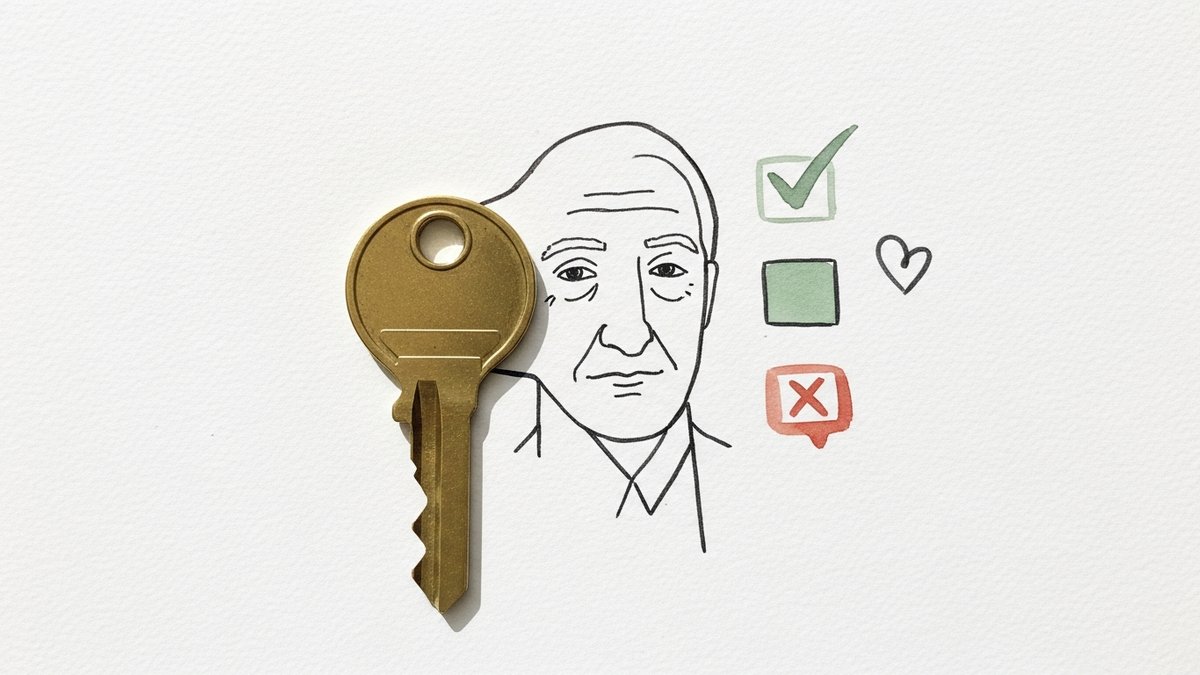
A CMO’s Field Guide to Finding Your Perfect Match
Here’s the thing about choosing a B2B content agency in 2026—it’s a bit like dating in your forties. You’ve been around the block, you know what red flags look like, and you’re absolutely done wasting time on partners who promise the world but deliver PowerPoint decks full of buzzwords and zero pipeline impact.
I’ve been on both sides of this equation. I’ve hired agencies that made me look like a genius to my board, and I’ve hired agencies that made me question my entire career trajectory. The difference? It wasn’t budget. It wasn’t even talent. It was fit—and understanding what “best” actually means for your specific situation.
So let’s cut through the noise and talk about what really matters when you’re shopping for a B2B content partner.
Why “Best” Is a Loaded Word
Before we dive into names, let me be blunt: there is no single “best” B2B content company. Anyone who tells you otherwise is either selling you something or hasn’t worked with enough agencies to know better.
What exists instead is a spectrum of specialists, each excelling in different contexts. As Omniscient Digital’s analysis points out, a robust content strategy reveals many differences that really matter when it comes to B2B content. The agency that crushes it for a Series A fintech startup might completely whiff for an enterprise manufacturing company with a 18-month sales cycle.
The real question isn’t “who’s the best?” It’s “who’s the best for us?”
The Contenders: A Strategic Breakdown
Based on my conversations with fellow CMOs, industry research, and yes—some firsthand battle scars—here’s how I’d categorize the landscape:
For Pipeline-Obsessed Growth Teams
If your CEO starts every Monday asking about qualified leads (and let’s be honest, whose doesn’t?), you need an agency that speaks revenue, not just impressions.
Directive Consulting has built their entire model around what they call “Customer Generation”—tying paid media, content, SEO, and RevOps to TAM-verified targeting. They work with companies like ZoomInfo and Chili Piper, which tells you something about their comfort level with complex B2B motions.
Grow and Convert has also earned serious credibility for their “pain point SEO” methodology—essentially, they index heavily on bottom-funnel content that converts rather than vanity traffic that looks good in reports but doesn’t move deals.
For Thought Leadership That Actually Leads
Here’s where I get a little passionate. Too many B2B companies confuse “thought leadership” with “publishing stuff.” Real thought leadership positions your executives as the people buyers want to learn from.
Siege Media has built a reputation for premium SEO content that drives rankings and ROI, working with brands like HubSpot, Asana, and Zendesk. Their approach combines content strategy with design—because let’s face it, a wall of text doesn’t exactly scream “innovative industry leader.”
Animalz specializes in the kind of long-form, educational content that business professionals actually bookmark and share. If you’re in a technically complex vertical where your buyers need to be educated before they’re ready to buy, they’re worth a conversation.
For SaaS-Specific Challenges
SaaS marketing is its own beast. Product-led growth, freemium funnels, feature comparison pages—it requires agencies who live and breathe the subscription economy.

Optimist positions themselves as growth-focused content marketers for SaaS brands and B2B startups. They emphasize product-led content marketing, which makes sense if your growth motion depends on users discovering value before sales ever gets involved.
Flying Cat Marketing has carved out an interesting niche in international content marketing for B2B SaaS—particularly valuable if you’re expanding into European markets and need native content creation across multiple languages.
The Questions That Actually Matter
When you’re evaluating agencies, skip the “tell me about your process” softballs. Here’s what I ask:
“Show me a campaign that failed and what you learned.” Any agency worth their retainer has had misses. How they talk about failure tells you everything about how they’ll handle the inevitable bumps in your engagement.
“How do you handle it when our internal SMEs are too busy to contribute?” Because they will be. Always. As one Reddit commenter noted, the pattern with many agencies is the same—first few months look good, then it slips into autopilot. You need a partner who can maintain quality even when your team is slammed.
“What’s your position on AI-generated content?” This isn’t a trick question, but the answer reveals a lot. Recent data shows only 4% of B2B marketers report high trust in generative AI’s outputs. Agencies that have thoughtful frameworks for using AI as a tool (not a replacement) are the ones thinking clearly about the future.
The Budget Reality Check
Let’s talk money, because nobody else will. Quality B2B content agencies aren’t cheap, and they shouldn’t be. If someone’s offering you 20 blog posts a month for $2,000, you’re getting exactly what you pay for—which is probably AI-generated filler that’ll tank your brand credibility.
As Directive’s analysis suggests, the best time to hire a B2B agency is when growth has stalled, you’re launching into a new market, or you’re under pressure to show revenue results in less than 90 days. If you can’t justify a full-time headcount but need full-stack execution, an agency bridges that gap.
Expect to invest $10,000-$25,000+ monthly for serious B2B content partnerships. Yes, it’s significant. But compare that to the fully-loaded cost of building an internal team with strategists, writers, designers, and SEO specialists. Suddenly the math looks different.
My Honest Take
After nearly two decades in this game, here’s what I’ve learned: the best B2B content company is the one that treats your business like their business. They push back on bad ideas. They bring insights you hadn’t considered. They measure what matters, not what’s easy to measure.
Data tells you the what, but brand tells you the why. The right content partner understands both.
So do your homework. Have the conversations. Ask the uncomfortable questions. And remember—marketing is like dating. You don’t propose on the first ad impression, and you definitely don’t sign a 12-month retainer after one impressive pitch deck.
Find the partner who gets your complexity, respects your intelligence, and delivers results you can actually trace back to revenue. Everything else is just noise.