

Click-Through Rate in PPC: Rethinking the Golden Metric
The Myth of High CTR: Chasing the Wrong Numbers
Let’s talk about click-through rate — that sacred cow of PPC metrics, the number that’s launched a thousand dashboards and at least as many performance reviews. Marketers have been chasing high CTRs like they’re the golden snitch, convinced that if they just get that number up, the conversion gods will smile upon them. But here’s the twist: sometimes, a lower CTR is not just okay — it’s the secret sauce your campaign’s been missing.
- Click-Through Rate in PPC: Rethinking the Golden Metric
- The Myth of High CTR: Chasing the Wrong Numbers
- Fewer Clicks, More Business: The New PPC Mindset
- Targeting the Right Audience: Quality Over Quantity
- How Platforms Like Google Ads Reward Relevance
- Wasted Spend: The Real Villain in PPC
- Addressing Concerns: Quality Score and Ad Rank
- The Bigger Picture: Qualified Clicks Win the Day
- B2B Marketing: Playing Chess, Not Checkers
- Real-World Experience: Self-Selection Drives Results
- Conclusion: Attracting the Right Audience Matters Most
Think of it like dating apps. Sure, you could swipe right on everyone and rack up matches, but do you really want to spend your Friday night explaining to Chad from accounting why you’re not interested in his NFT collection? Or would you rather have fewer, but far more promising, conversations? In PPC, as in love, it’s not about how many people you attract — it’s about attracting the right ones.
Fewer Clicks, More Business: The New PPC Mindset
So, what’s the news? Marketers are waking up to the idea that a lower CTR can actually be a sign of a smarter, more profitable campaign. That’s right: fewer clicks, more business. It’s the marketing equivalent of skipping the open bar and heading straight for the VIP lounge.
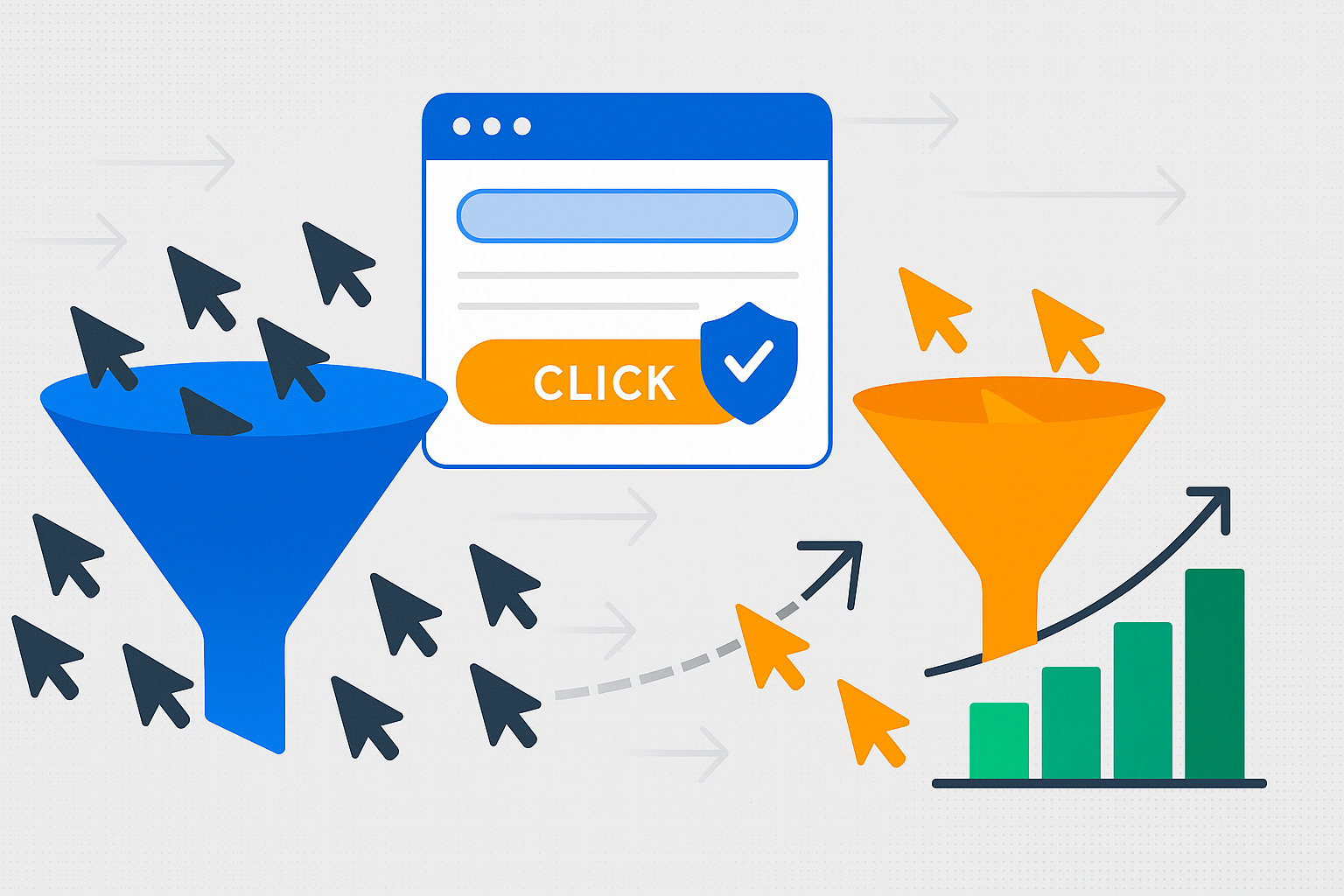
Let’s break it down. For years, CTR has been the North Star for PPC campaigns. High CTR? Pop the champagne. Low CTR? Cue the existential crisis and a flurry of “optimization” meetings. But here’s the uncomfortable truth: a high CTR often means your ads are casting too wide a net. You’re getting clicks from people who are curious, bored, or just have really fast thumbs — not necessarily from people who are ready to buy, sign up, or do anything remotely useful for your bottom line.
Targeting the Right Audience: Quality Over Quantity
Imagine you’re running ads for enterprise software. If your ad says, “Free trial for everyone!” you’ll get clicks from students, hobbyists, and probably your neighbor’s dog. Your CTR will soar, but your sales team will be drowning in leads that go nowhere. Now, tweak that ad to say, “Built for teams of 50+ — streamline your enterprise workflow.” Suddenly, your CTR drops, but the people who click are actually in your target market. Fewer clicks, but each one is worth its weight in gold.
How Platforms Like Google Ads Reward Relevance
Here’s where it gets interesting: platforms like Google Ads don’t just reward you for raw CTR. They care about expected CTR — how likely your ad is to get clicked by the right person, in the right context. If your ad is hyper-relevant to a specific search, even if it gets fewer clicks overall, you’re still in Google’s good graces. It’s like being the best jazz band at a jazz festival, not the loudest band at a county fair.
Wasted Spend: The Real Villain in PPC
And let’s talk about the real villain here: wasted spend. Every irrelevant click is a little leak in your marketing budget. It’s like buying rounds of drinks for the whole bar when you only wanted to impress the person in the corner. The more you pre-qualify your audience in your ad copy — by mentioning price points, industry specifics, or who your product is not for — the more you filter out the tire-kickers. Yes, your CTR drops. But your cost per acquisition? That’s where the magic happens.
Addressing Concerns: Quality Score and Ad Rank
Now, some folks will clutch their pearls and say, “But Jon, what about my Quality Score? What about ad rank?” Relax. Google’s algorithm is smarter than your average bear. It’s not punishing you for being selective; it’s rewarding you for being relevant. If your ad speaks directly to your ideal customer, you’ll still get the impressions that matter — and you’ll pay less for the privilege.
The Bigger Picture: Qualified Clicks Win the Day
Let’s zoom out for a second. Why does this matter in the bigger picture? Because we’re living in the age of infinite noise. Every brand is shouting, every feed is crowded, and attention is the most expensive currency in the room. The brands that win aren’t the ones with the most clicks — they’re the ones with the most qualified clicks. They know that marketing isn’t about filling the funnel with anyone who can fog a mirror; it’s about building a pipeline of people who actually want what you’re selling.
B2B Marketing: Playing Chess, Not Checkers
This shift is especially crucial for B2B marketers, where the sales cycle is longer than a Netflix binge and the stakes are higher than your last performance review. If you’re optimizing for CTR alone, you’re playing checkers on a chessboard. The real game is about conversion per impression, revenue per impression, and — dare I say it — return on imagination.
Real-World Experience: Self-Selection Drives Results
Here’s my take, as someone who’s spent more time in PPC dashboards than I care to admit: chasing high CTR is like chasing likes on social media. It feels good, but it doesn’t pay the bills. The best campaigns I’ve ever run were the ones that made people self-select. The ad copy was clear about who we were for — and who we weren’t. The result? Fewer clicks, but a pipeline full of prospects who actually closed.
Conclusion: Attracting the Right Audience Matters Most
So, next time someone asks why your CTR is down, don’t panic. Smile, lean back, and say, “Because we finally stopped buying drinks for the whole bar.” Then show them the conversion numbers.
In the end, marketing is a marathon with weekly sprints. The winners aren’t the ones who sprint out of the gate — they’re the ones who pace themselves, qualify their audience, and cross the finish line with budget (and sanity) intact.
Remember: in PPC, as in life, it’s not about how many people you attract. It’s about attracting the right ones. And if that means your CTR takes a little dip? Well, that’s just the sound of your ROI getting healthier.
Now, if you’ll excuse me, I have to go write an ad that says, “For marketers who actually read to the end.” If you clicked, you’re exactly who I wanted.