

AI and the New Era of Performance Marketing
Let’s start with a confession: I once spent an entire afternoon arguing with a dashboard. It was 2012, and I was convinced that if I just tweaked the right bid or swapped out one more headline, the Google gods would finally smile upon my campaign. Fast forward to 2026, and I’m not even sure the dashboard needs me anymore. In fact, I’m pretty sure it’s quietly judging my taste in sneakers while it rewrites my ad copy and reallocates my budget — all before I’ve finished my morning coffee.
- AI and the New Era of Performance Marketing
- How AI Is Transforming Performance Marketing
- The New Customer Journey: From Keywords to Conversations
- AI-Referred Traffic: The Numbers and the Opportunity
- What Marketers Should Do Next
- AI Limitations and the Importance of Human Oversight
- Asking Better Questions: The Marketer’s Edge
- Ethics, Privacy, and Brand Trust in the Age of AI
- The Future of Performance Marketing: Human + Machine
- Conclusion
Welcome to the new era of performance marketing, where AI isn’t just the intern fetching data — it’s the creative director, media planner, and, occasionally, the therapist reminding you that your “gut instinct” is now just another data point in the machine.
How AI Is Transforming Performance Marketing
So, what’s actually happening here? Let’s break it down without the usual parade of buzzwords.

Performance marketing is being rewritten by AI
Performance marketing — the art and science of spending a dollar and getting two back (on a good day) — used to be about relentless optimization. You’d A/B test headlines, tweak targeting, and pray to the algorithmic overlords for a lower CPA. But now, AI has crashed the party, and it’s not just rearranging the furniture — it’s building a whole new house.
The New Customer Journey: From Keywords to Conversations
Here’s the plot twist: AI isn’t just automating the grunt work. It’s fundamentally changing how discovery, targeting, and creative all work together. Customers aren’t starting their journeys with keywords anymore; they’re starting with questions, context, and conversations. Instead of typing “best running shoes” into a search bar, they’re asking their AI assistant, “What shoes should I buy if my knees sound like popcorn?” And the AI? It’s not just serving up ads — it’s curating options, comparing brands, and validating choices before a single click happens.
That means the old playbook — buy the click, win the customer — is looking a little dusty. Paid media isn’t the first handshake anymore; it’s the background check. Your ads are now less about discovery and more about validation. Customers have already built their shortlist with the help of AI, and by the time they see your ad, they’re looking for reassurance, not revelation.
AI-Referred Traffic: The Numbers and the Opportunity
Let’s talk numbers for a second (don’t worry, I’ll keep it fun). AI-referred traffic is still a small slice of the pie, but it’s growing at triple-digit rates. And here’s the kicker: those visitors convert better, bounce less, and show up with intent that would make even the savviest retargeting pixel blush.
Meanwhile, the cost of attention keeps climbing — up 30% in the last three years — and the window to impress is shrinking. Visitors are spending less time on site, and their tolerance for friction is somewhere between “zero” and “did you just make me click twice?”
What Marketers Should Do Next
- Retire the fantasy that AI will make marketers obsolete.
- Treat AI as a collaborator, not a competitor.
- Let machines handle data crunching and optimization.
- Focus human talent on storytelling, trust-building, and cultural insight.
The real winners are the teams who treat AI like a collaborator, not a competitor. Let the machines handle the heavy lifting — crunching data, optimizing bids, generating endless creative variations — and free up your humans to do what they do best: tell stories, build trust, and spot the cultural shifts that no algorithm can predict.
AI Limitations and the Importance of Human Oversight
But — and this is a big but — don’t get seduced by the shiny object syndrome. AI is only as good as the data you feed it and the guardrails you set. I’ve seen campaigns where AI optimized for the lowest cost per click… and delivered a flood of traffic from people who had zero intention of buying. I’ve also seen AI-generated copy that was technically perfect but emotionally vacant — the marketing equivalent of a robot reading you a bedtime story. (Spoiler: nobody sleeps well after that.)
Asking Better Questions: The Marketer’s Edge
Here’s where it gets interesting: the best marketers aren’t just using AI to do more of the same, faster. They’re using it to ask better questions.
- What if you could test five versions of a campaign before lunch, not next quarter?
- What if you could spot a trend before it hits the mainstream?
- What if you could catch a churn risk before your customer even knows they’re thinking about leaving?
That’s not science fiction — it’s happening right now, for the teams willing to rethink their process and trust the data (but not worship it).
Ethics, Privacy, and Brand Trust in the Age of AI
Of course, with great power comes great responsibility — and a whole new set of headaches. Privacy, bias, and ethical use of data aren’t just compliance checkboxes; they’re the new battleground for brand trust. Customers care deeply about how their data is used, and the brands that get sloppy will pay the price in lost loyalty and regulatory migraines.
Build your AI house on a foundation of transparency, accountability, and a healthy dose of skepticism.
The Future of Performance Marketing: Human + Machine
So, where does this leave us? Performance marketing isn’t dead — it’s just grown up. The days of brute-force optimization are over. The future belongs to marketers who can blend machine intelligence with human imagination, who know when to trust the dashboard and when to trust their gut, and who never forget that behind every click is a real person, not just a data point.
Performance marketing is being rewritten by AI
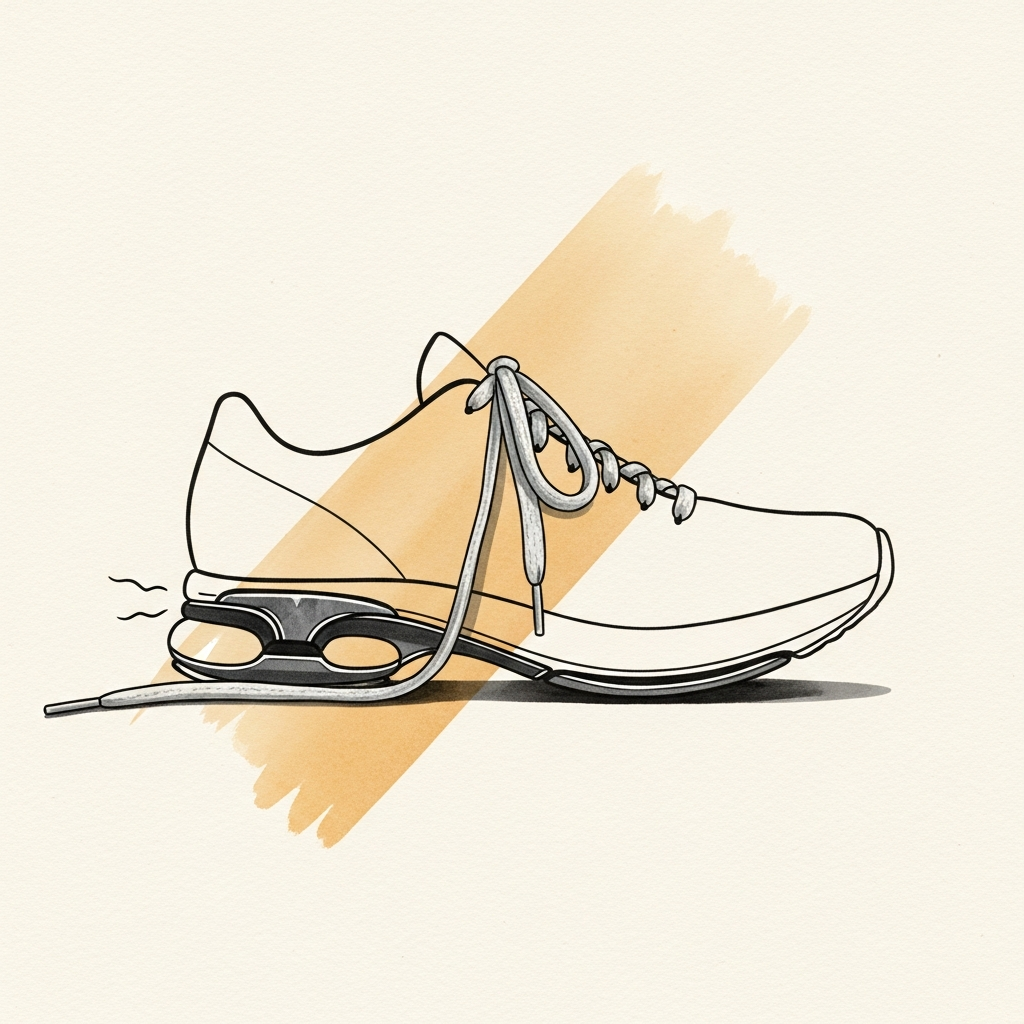
If marketing is a marathon with weekly sprints, AI is the new pair of carbon-plated shoes. It won’t run the race for you, but it’ll make you faster — if you know how to use it. Just remember: the finish line keeps moving, and the only thing worse than being left behind is running in the wrong direction.
Conclusion
Now, if you’ll excuse me, I need to go have a heart-to-heart with my dashboard. I think it’s about to pitch me a new campaign — and this time, I might just listen.