


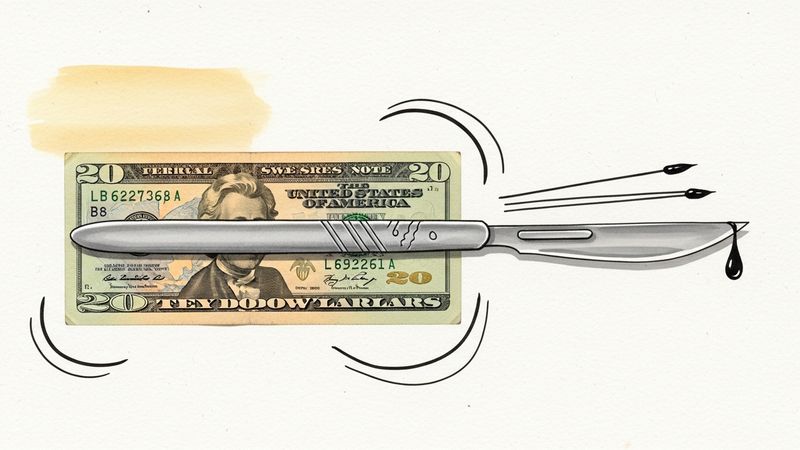
Let me be honest with you: healthcare PPC is like performing surgery with a scalpel made of dollar bills. One wrong move, and you’re hemorrhaging budget faster than you can say cost-per-click. I’ve watched too many healthcare marketing teams throw money at Google Ads like confetti at a parade, only to wonder why their patient acquisition costs look like they’re funding a small hospital wing.
Here’s the thing about digital marketing in healthcare—it’s not just complicated, it’s regulated complicated. You’re dealing with HIPAA, FDA guidelines, and an audience that ranges from anxious patients Googling symptoms at 2 AM to hospital procurement officers comparing surgical equipment vendors. Finding a PPC agency that actually gets this? That’s the real diagnosis we need to make.
Why Healthcare PPC Isn’t Your Average Paid Search Game
Before we dive into who can help you, let’s talk about why this matters. According to recent industry analysis, 89% of B2B healthcare buyers use the internet during their research process. That’s not a trend—that’s the entire playing field.
But here’s where it gets spicy: medical device purchase cycles can stretch 6-18 months. That’s not a sprint; that’s an ultramarathon with weekly sprints (see what I did there?). Your PPC strategy needs to keep you visible throughout that entire journey, not just pop up once and hope for the best.
The keywords in this space? They’re expensive. We’re talking $50-200+ per click for high-intent terms. Marketing is like dating—you don’t propose on the first ad impression—but at those prices, you better make sure every date counts.
What Separates the Specialists from the Generalists
I’ve sat through enough agency pitches to know that we do healthcare too is very different from healthcare is what we do. The agencies worth your time understand three critical things:
Compliance isn’t optional. Healthcare advertising operates under a microscope. Your agency needs to navigate FDA regulations, HIPAA requirements, and platform-specific healthcare policies without breaking a sweat. As Thrive Agency notes, healthcare providers face unique industry challenges that require reconfigured marketing strategies—not cookie-cutter approaches.
The audience is fragmented. You might be targeting surgeons by specialty one day and hospital administrators the next. Advant Technology’s approach highlights the importance of reaching decision-makers like physicians, hospital administrators, and biomedical engineers—each requiring different messaging and targeting strategies.
ROI means something different here. Every CMO loves to talk ROI, but let’s not forget there’s also Return on Imagination. In healthcare, that means understanding that a converted lead might represent a multi-year patient relationship or a six-figure equipment contract.
The Players Worth Knowing
Based on First Page Sage’s 2026 analysis and my own observations, here’s who’s actually moving the needle:
Cardinal Digital Marketing consistently shows up in conversations about healthcare PPC. They’ve built proprietary business intelligence tools and achieved results like a 26% increase in lead volume for healthcare clients. Their focus on Account-Based Marketing makes them particularly interesting for medical device companies with longer sales cycles.
Intrepy Healthcare Marketing takes a white glove approach that I appreciate. They’re a Google Partner exclusively focused on healthcare, which means they’re not trying to apply B2C retail tactics to your cardiology practice. Their case studies show results like 750+ phone calls and 250+ self-appointments monthly for orthopedic urgent care facilities at around $2.68 per conversion. Those are numbers that make finance teams smile.
Digital Drew SEM and Thrive Agency both appear in multiple industry rankings for their PPC and paid search capabilities in healthcare. They understand that healthcare PPC isn’t just about bidding on keywords—it’s about matching ad campaigns to landing pages that address specific patient or buyer search queries.
For those in the Illinois/Chicago market specifically, Semrush’s agency directory highlights firms like RivalMind and Comrade Digital Marketing with strong healthcare credentials and verified client reviews.
The Questions You Should Be Asking
Before you sign any contracts, here’s my checklist—battle-tested from years of agency relationships:
Show me healthcare-specific case studies. Not adjacent industries. Not wellness brands. Actual healthcare clients with actual results. If they can’t produce these, they’re learning on your dime.
How do you handle compliance review? The right answer involves a process, not a shrug. Healthcare advertising mistakes don’t just waste budget—they can trigger regulatory headaches.
What’s your approach to the full funnel? As Marketing LTB points out, the best agencies understand that clicks are just the beginning. They optimize from ad copy to landing pages to lead nurturing.
How do you measure success beyond clicks? If they lead with impressions and CTR, keep walking. You want partners obsessed with customer acquisition cost, lifetime value, and actual pipeline contribution.
The Bottom Line
Data tells you the what, but brand tells you the why. In healthcare PPC, the what is expensive clicks and complex compliance. The why is connecting patients with care they need and helping healthcare organizations grow sustainably.
The best PPC agency for your healthcare organization isn’t necessarily the biggest or the cheapest—it’s the one that understands your specific corner of this industry. Whether you’re a multi-location practice group, a medical device manufacturer, or a health system competing for patient attention, the right partner treats your budget like it’s their own.
And honestly? In a world where marketing was a video game, healthcare PPC is definitely Level 2 unlocked. New boss fight, same mission. Choose your co-op partner wisely.