

B2B Brand Awareness: Why Most Marketers Miss the Dance Floor
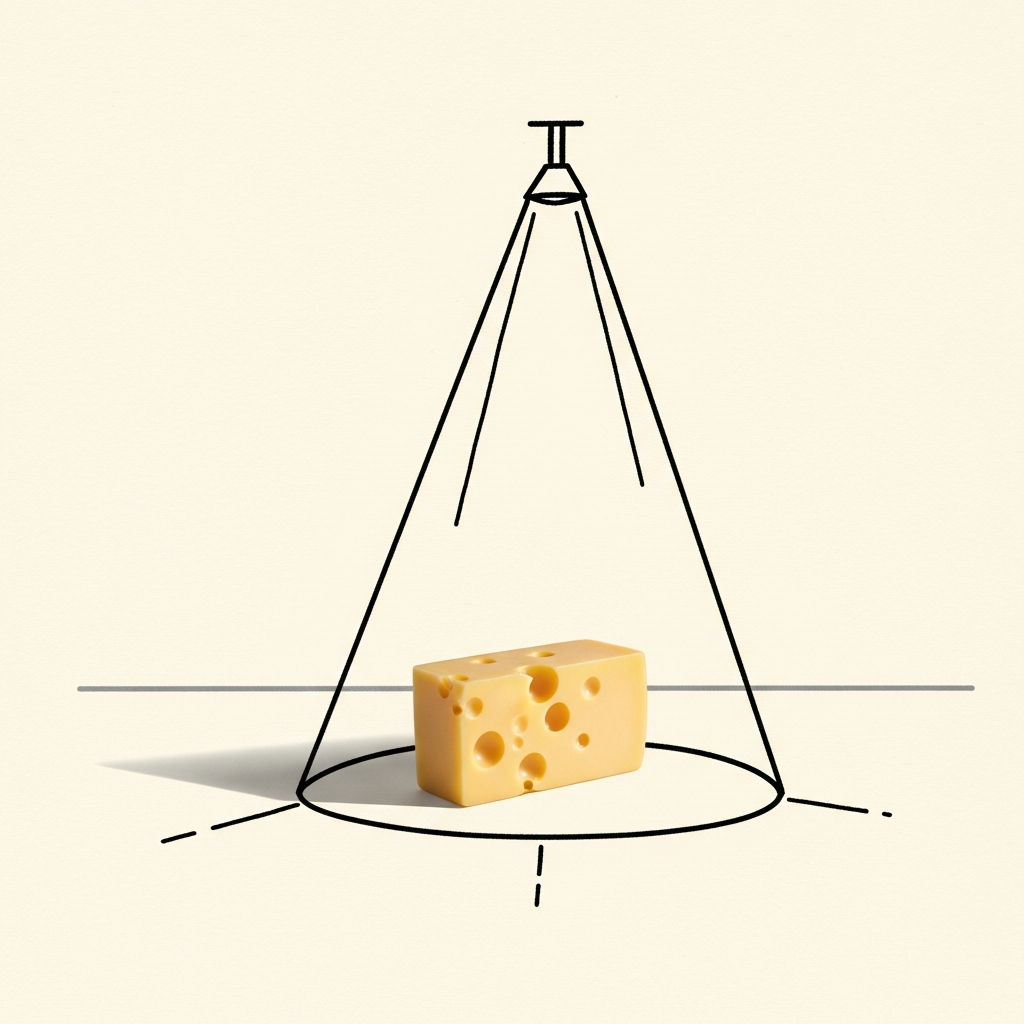
Let’s play a quick game: imagine you’re at a party. Not the fun kind with a taco bar and a playlist that actually slaps, but the awkward networking kind where everyone’s clutching a lukewarm IPA and pretending to check their email. Now, picture the B2B marketers at this party. Most of them? They’re not out on the dance floor making connections. They’re in the kitchen, nervously rearranging the cheese platter, convinced that if they just get the brie-to-cracker ratio right, someone will finally notice them.
That, my friends, is how most B2B marketers approach brand awareness: as a box to check, a prelude to the “real” work of lead gen, or—worse—a luxury reserved for the cool kids with Super Bowl budgets. And it’s time we called it what it is: a missed opportunity, wrapped in a misunderstanding, served on a bed of outdated KPIs.
Let’s Unpack the Brand Awareness Baggage
Here’s the dirty little secret: in B2B, brand awareness isn’t just about being known. It’s about being remembered—preferably at the exact moment your buyer’s CFO finally greenlights a new SaaS tool, or when their IT team’s group chat is melting down over a legacy system that’s older than TikTok. But too many marketers treat “awareness” like a one-and-done campaign. Flash the logo, run a few LinkedIn ads, maybe sponsor a webinar, and—voilà!—job done. Right?

Are B2B Marketers Approaching Brand Awareness Wrong?
Wrong. That’s like thinking you’ve mastered French cuisine because you microwaved a croissant. The real work of brand awareness is slow-cooked. It’s about mental availability: embedding your brand so deeply in your audience’s mind that when the need arises, you’re the first name they think of—not the last one they Google.
Why This Matters (Spoiler: It’s Not Just About Vanity Metrics)
Let’s get real: B2B buying cycles are longer than a Scandinavian winter. Your buyer isn’t impulse-purchasing a CRM between Zoom calls. They’re researching, consulting, procrastinating, and—crucially—forgetting 99% of the brands that tried to “nurture” them with a whitepaper and a cold call.
Here’s the kicker: most of your market isn’t even in-market. Studies show that at any given time, only about 5% of your potential buyers are actively looking. The other 95%? They’re busy, distracted, and blissfully unaware of your existence. If your brand isn’t top-of-mind when they finally do need you, you’re not even in the running. You’re the off-brand cola at the back of the fridge—technically present, but never chosen.
And yet, B2B marketers obsess over hyper-targeted, bottom-funnel tactics. Why? Because they’re easy to measure. Because the CFO likes charts with arrows that go up. Because “brand” sounds fluffy and “pipeline” sounds like job security. But here’s the inconvenient truth: if you only market to the 5% who are ready to buy, you’ll plateau faster than a Peloton in power-saving mode.
The Real Risk Isn’t Rejection—It’s Irrelevance
Marketers love to fret about brand rejection. “What if we say the wrong thing? What if we offend someone? What if our campaign flops?” Here’s a reality check: most buyers aren’t rejecting you. They just don’t know you exist. The real enemy isn’t negative sentiment—it’s anonymity.
And the solution isn’t to play it safe or go dark during “uncertain times.” It’s to show up, consistently, with a point of view that actually matters. Authority beats awareness every time. Being known is table stakes; being trusted is how you win the game.
So, Are We Doing It Wrong? (Spoiler: Yes, But There’s Hope)
Let’s call out the classic mistakes:
- Treating brand as a campaign, not a condition.
Brand isn’t a one-off action; it’s the sum of every touchpoint, every story, every time you show up in the market. You don’t “do” brand awareness. You become it. - Trying to control the buyer’s journey.
You can’t force someone to think of you when they’re ready to buy. You can only stack the odds in your favor by being present, relevant, and memorable—long before the RFP lands. - Fearing “wasted” spend.
If you only invest in performance marketing, you’ll hit a ceiling. Brand is the lever that lifts the ceiling. Yes, it feels inefficient. Yes, it’s harder to measure. But it’s also the only way to grow beyond your current pipeline. - Measuring with the wrong tools.
If your only metric is last-touch attribution, you’re missing the plot. Look at branded search volume, direct traffic, share of voice, and—dare I say it—good old-fashioned gut feel. Sometimes, the best indicator of brand health is when your sales team stops having to explain who you are.
Jon’s Take: Brand Is the Long Game—And the Only Game That Lasts
Look, I get it. I love a good dashboard as much as the next CMO. But if you’re only tracking what’s easy to measure, you’re leaving money—and market share—on the table. Brand isn’t a luxury; it’s the multiplier for everything else you do. It’s the reason your cold emails get opened, your demos get booked, and your deals close faster.
And here’s the kicker: you don’t need a Fortune 500 budget to build a memorable brand. You need consistency, creativity, and the courage to show up with something to say. You need to stop hiding in the kitchen and start owning the dance floor—even if your moves are a little awkward at first.

Are B2B Marketers Approaching Brand Awareness Wrong?
So, next time someone asks if brand awareness is worth it, tell them this:
You can’t win a game if no one knows you’re playing. And in B2B, the winners aren’t the ones with the biggest ad spend—they’re the ones who are remembered when it matters most.
Now, if you’ll excuse me, I’ve got a cheese platter to rearrange. But this time, I’m bringing it out to the dance floor. See you there.